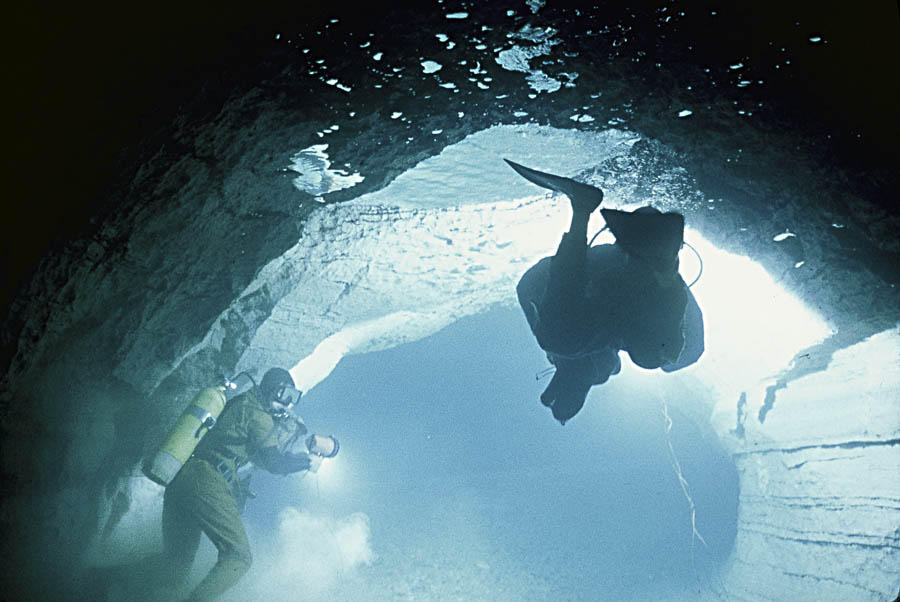
Inspired by Into the Absolute Darkness by Glenn Thompson, PhD
Most people standing beside a hole cut into a frozen lake would never consider slipping beneath the ice. Every instinct warns against it. Yet as a twenty-year-old zoology student at the time, Glenn Thompson did exactly that, descending into near-freezing water with borrowed scuba gear and little more than a clothesline tied around his waist as a lifeline.
What he found wasn’t the glowing blue underwater world he had imagined. Within a foot of the hole the light disappeared completely.
True darkness is difficult to imagine because most of us never experience it. Even at night, there are stars, streetlights, or moonlight. Underground and underwater, those reference points vanish. Your eyes continue searching for information, but there is nothing to see..
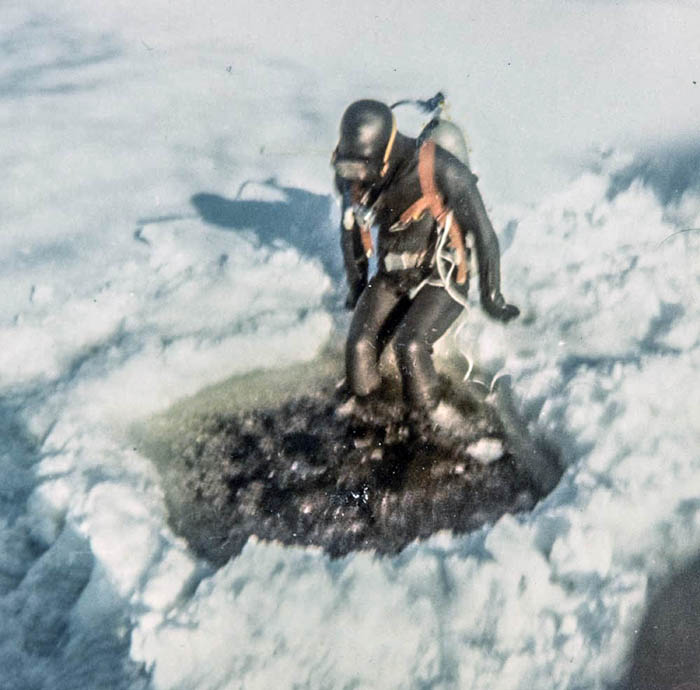
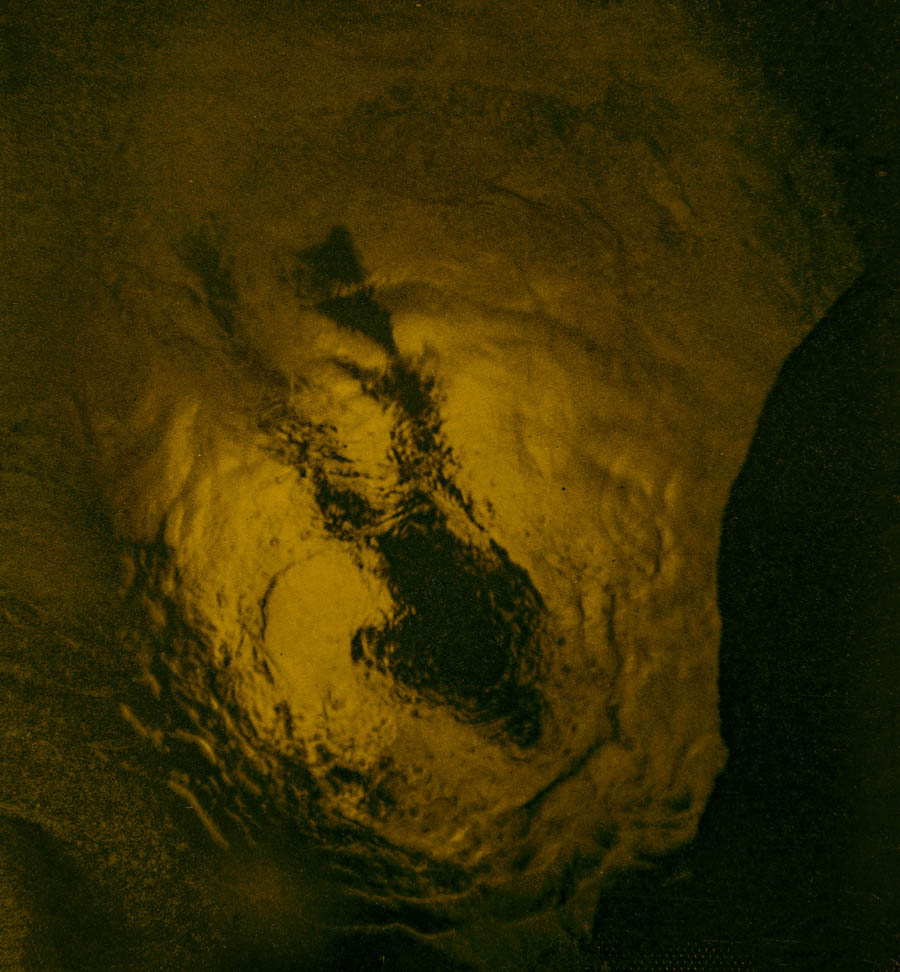
Years later, while exploring flooded cave systems beneath the Ozark Mountains, Thompson encountered darkness on an even greater scale. In muddy underwater passages, his flashlight illuminated only a few inches ahead. Beyond that small circle of light was nothing but blackness. Navigation depended on touch, memory, and the feel of moving water. Every movement required concentration.
What makes Thompson’s story so compelling is not just the danger but the unexpected calm that accompanied it. In places where survival demands complete attention, the mind has no room for distraction. There is only the texture of rock beneath your hand, and the awareness of the present moment. After hours spent navigating in total darkness, Thompson once described seeing a faint shaft of moonlight filtering into a cave as “an unimaginably great gift.” In that moment, something most of us take for granted became extraordinary.
This experience lies at the heart of Into the Absolute Darkness, a remarkable blend of memoir, exploration narrative, and scientific discovery. The book chronicles Thompson’s pioneering dives into the flooded cave systems of Blanchard Springs, Arkansas, and the exploration of an unmapped underground river hidden beneath the Ozark Mountains.
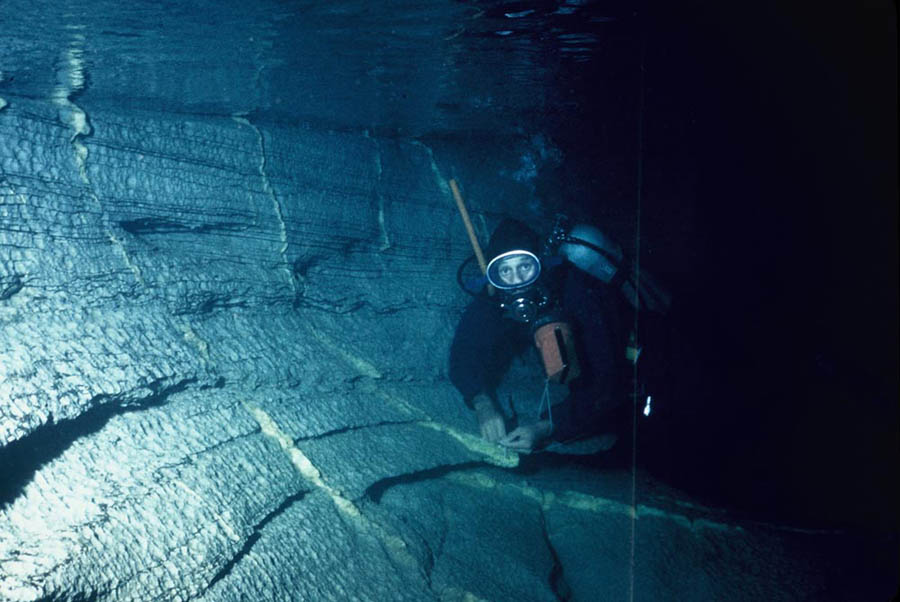
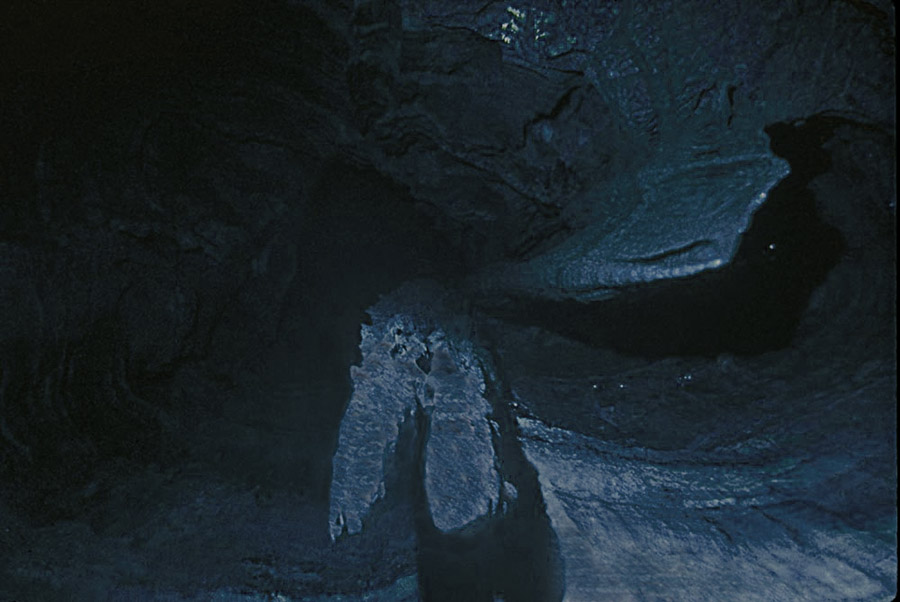
Part adventure story and part reflection on human endurance, the book transports readers into a world where sight becomes almost useless and every decision carries consequences. Thompson recounts equipment failures, freezing water, powerful currents, and moments of uncertainty, while also revealing the extraordinary adaptability of the human mind when confronted with extreme conditions.
More than a story about cave diving, Into the Absolute Darkness explores what happens when every familiar reference point disappears and a person must rely entirely on instinct, training, and determination. It is a reminder that some of the last great frontiers still exist beneath our feet, waiting to be explored.
For readers who enjoy adventure, exploration, and true stories of discovery, Into the Absolute Darkness offers a rare glimpse into a world few people will ever experience firsthand. It is both a fascinating account of uncovering the unknown and a powerful meditation on perception, resilience, and the value of something as simple—and essential—as light.